Exam time can be scary!
With too much to prepare and very less time in hand, it is natural to feel overwhelmed and under-prepared during exams. While there is no foolproof way to retain everything perfectly during exams, some strategies, like effective revision techniques, can still help.
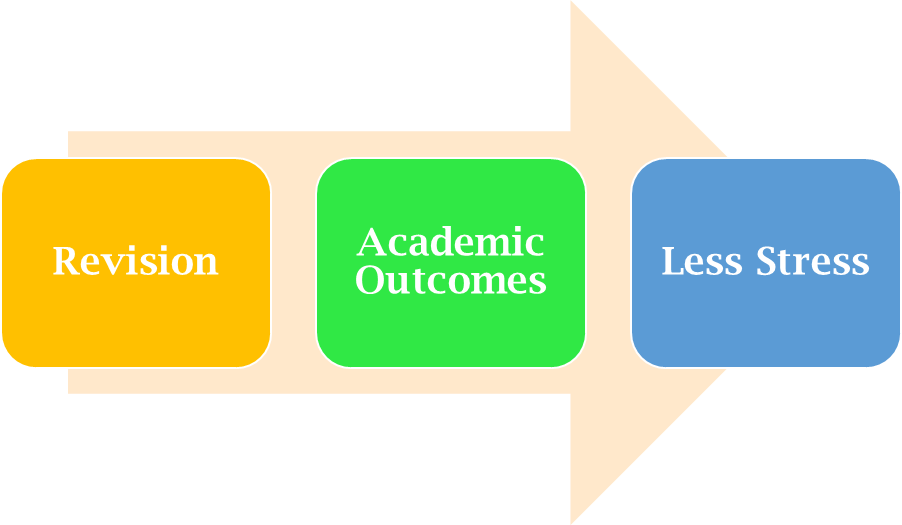
Using these best revision techniques during the exam season can optimize your learning and improve academic outcomes as well.
So, let’s get ready to beat the stress this time with some expert-recommended revision methods.
Be with us as we start with some eye-opening statistics about exam stress and anxiety first.
Quick Facts
Exam anxiety is a real thing for most students in India!
Take a look at these numbers –
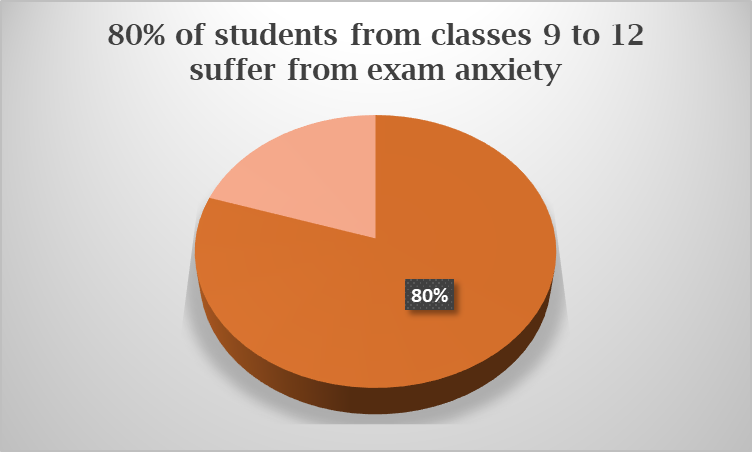
- 80% of students from classes 9 to 12 suffer from exam anxiety.
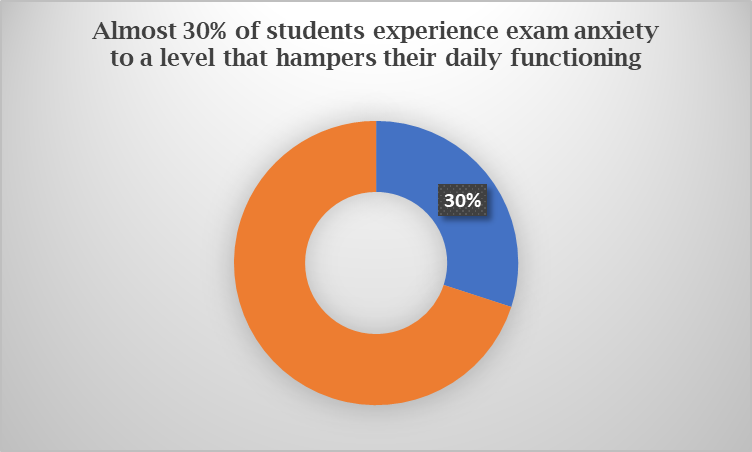
- 20 to 30% of students experience this anxiety to a level that hampers their daily functioning.
After these facts, let’s move on to more in-depth information about the meaning and importance of a revision technique.
What is Revision?
Revision is to revise or revisit work to improve one’s understanding and identify errors. It gives a student perspective. And links new learning better to the existing knowledge.
Why is Revision Important for Students?
Inculcating a habit of revision improves preparedness and boosts confidence during exams. And a revision technique improves one’s ability to recognize and recall information better.
By reading and revisiting information, a student gradually starts remembering more about a topic/concept. This makes him/her well-prepared for exams. And also reduces last-minute stress/anxiety at this crucial time.
Let’s jump to the best revision techniques for students now.
Best Revision Techniques for Students
Blurting Method
Blurting is one of the best revision methods that helps in recalling information during exams. To revise a topic actively, start jotting down all related points (that you remember) for a topic. Initially, these notes might contain jumbled information.
It’s fine.
Verify these notes from the original textbook content/online version and look for gaps. Now, repeat this process and redo the notes till you manage to cover all the key points without mixing information abruptly.
This is one of the best revision methods to create a sustainable memory. Add your unique touch to these notes by marking incorrect/incomplete information with colored pens (or highlighters), or simply use different shapes to circle things that need to be reworked.
Mind Maps
Want to build connections between information?
Start using mind maps!
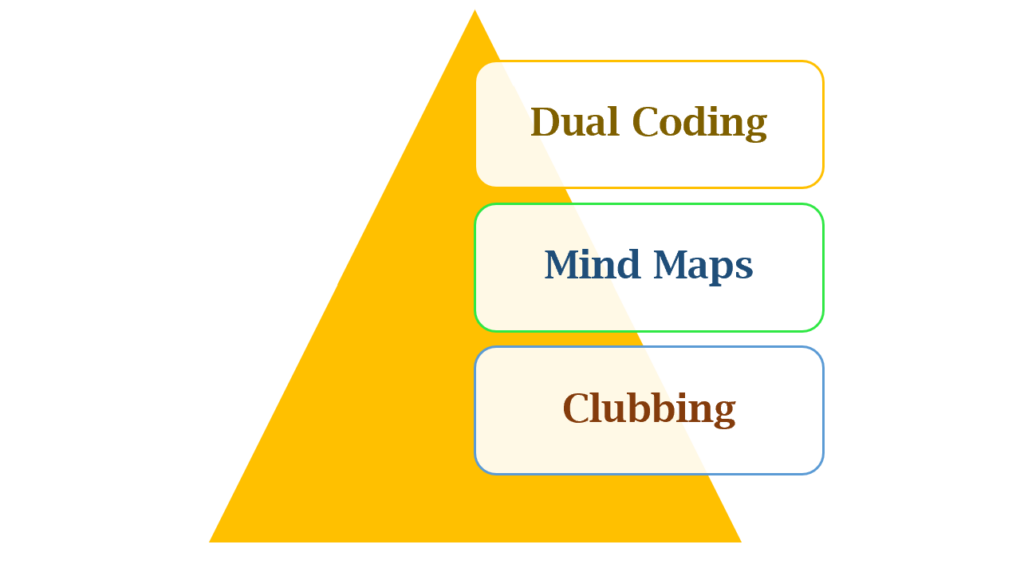
This revision technique has images that connect a topic through words, key ideas, subtopics, etc. It is a great way to visualize a concept through a mental map.
Unleash your creativity to use this technique, and follow the simple principle of linking all subordinate ideas to a central idea. This revision technique uses the advantages of spatial awareness. So, the best way to use a mind map is to create supporting ideas around a central concept to organize information with a manageable load. However, do not add too many supporting ideas at once as this will make the structure complex.
Revise Actively with Flashcards
Creating short summaries on flashcards can be one of the best revision techniques for students for students to break down concepts into meaningful keywords. Do try this one with complex topics and make it easier by linking ideas and categorizing information.
Formulas, spellings, abbreviations, synonyms, rules, and concept findings are best revised through colorful flashcards. Make it fun by playing a flashcard recall game, or simply ask a family member to rate your responses through a random flashcard quiz from your collection.
Dual Coding (Using Two Formats)
Good revision methods like dual coding involve both words and pictures to improve a student’s learning. To use this method, select the most important parts of the academic content/topic and make a meaningful drawing. This image will move information to your long-term memory through the power of visual representations.
This way, there will be no overload of information. And you will be able to decipher the meaning/concept easily when you need it. The key idea is to segregate information into smaller parts for better retention. Try using different colors/patterns, and unleash your creativity while using such revision techniques for students.
Clubbing Related Topics
Many times, it is common to know about good revision methods but students fall short of time.
It is advisable to start revision early to reduce stress. But in exceptional scenarios, you can try clubbing similar topics to make the load manageable. For instance, math formulas, or Science concepts can have things in common. Identify these patterns and revise them together for better retention.
This is one of the revision techniques for students to cover up more in less time without mixing important facts. Do try this one out.
It’s time for some tips now.
Quick Tips for Revision
- Focus on meaningful understanding and not just reading (and re-reading).
- Keep distractions at bay to make the most of any revision technique.
- Do not leave any doubts for the last minute as it can defeat the purpose of the best revision methods completely.
- Teaching a topic to someone else is one of the best revision techniques.
- Plan a revision schedule well in advance.
- Collaborate with friends to know about their best revision technique.
- Take breaks after every 20 to 30 minutes to make your revision session productive.
The Bottom Line – Preparedness is the Key!
There are various revision techniques for students that can reduce last-minute stress and boost their confidence at the crucial exam time. Start using these smart techniques to revise well in less time.
Before you leave, do visit this page for our online school program details, now open for students from Nursery to Grade 8.
Thanks for Reading!
Frequently Asked Questions
- What are some good revision methods?
You can try the blurting method, dual coding, club similar topics, and make mind maps to revise well for exams - Which revision technique can guarantee success in exams?
Most of the revision techniques for students can yield great results. However, there is no such guaranteed method that can work for all students equally. - Can I use multiple good revision methods together?
You can use multiple good revision methods. However, it is important to use these methods appropriately as per the topic/subject. For example, word meanings, etc., can be revised well through flashcards. But for Math and Science concepts, you can use mind maps or the blurting method.
Suggested Read
- Personal Grooming for Students: Benefits, Ways to Teach, Tips and More
- Practical Strategies and Effective Steps to Overcome Laziness
- 10 Captivating Games for English Learners
- Profound Benefits of Drawing in Education and Tips to Develop this Skill in Students
- Parent Teacher Meeting Guide: Benefits and Tips for Stakeholders
- Gaming In Education: A Useful Tool In The 21st Century?
- 10 Life Skills for Students: Building Leaders of Tomorrow
- Educational Robotics: A Stride Forward In Online Education
- Exam Motivation: Ace Your Exams And Achieve Your Academic Goals!
- Time Management Tips For Students
- Classroom Icebreakers- How to Use Funny Jokes for Kids
- Surprising Study Tips and Tools to Boost Your Exam Success
