


A blended classroom mixes both in-person and digital resources to create an enriched learning experience. This approach offers an impeccable solution to problems like individualizing instructions for different students, absenteeism, and engagement, etc.
Post the pandemic, this approach is quite popular amongst students and stakeholders. Let’s discover the true meaning of blended learning to understand what is blended learning, and its models in detail.
Be with us!
What Is Blended Learning?
Blended learning is a digital solution that combines online and offline classes to broaden educational options for students (and stakeholders). It helps in adding the elements of digital learning (such as personalized learning, etc.) into the traditional classroom settings. With this, students get an option to control their learning pace. And they also experience more control over their academic journey.
After the meaning of blended learning, let’s move on to the types now.
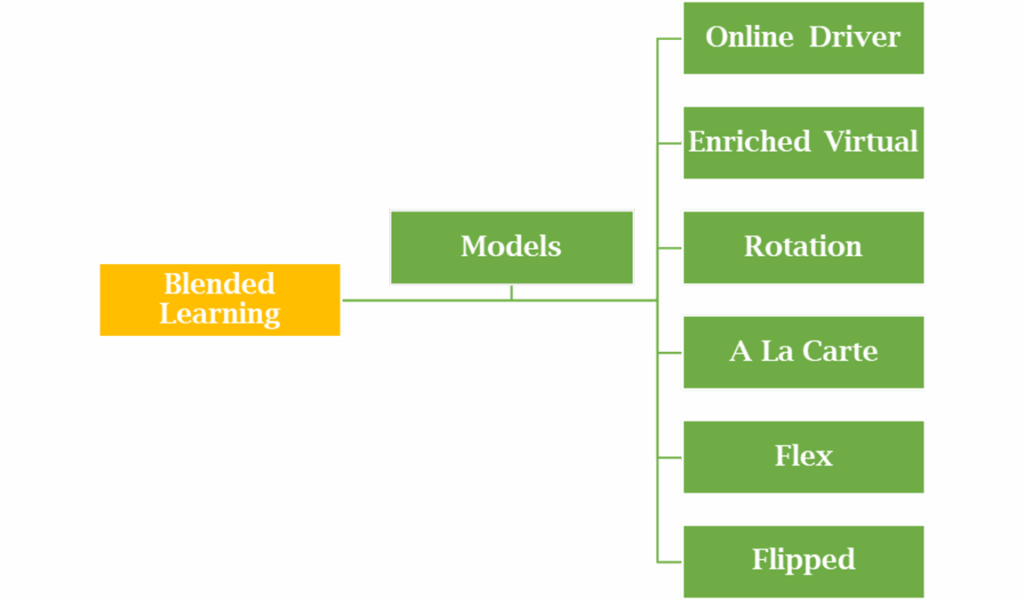
Prominent Types of Blended Learning Models
Rotation Model
As the name suggests, the Rotation model includes many elements of blended teaching and learning. From virtual learning to collaborative group work and classes led by the teacher, this model allows all this to enrich the blended classroom learning.
Enriched Virtual Model
Enriched virtual model allows the dominance of online learning with some restricted level of face-to-face instruction. With high-quality virtual resources, students can learn with flexibility. In addition, they can also clarify their doubts or seek assistance by interacting with their teacher in real-time during the scheduled virtual sessions (mostly planned for activities, discussions, etc.).
Flex Model
Flex model is synonymous with the meaning of blended learning. It allows students to learn at their own pace without creating any sense of isolation. Students can seek the necessary support of their teacher even while learning online. However, it is a little different from the previous model (Enriched virtual) as the key focus here is to support the student with the specific guidance that he/she needs.
A La Carte Model
Again, this name is self-explanatory, as this blended learning model supplements student learning with the courses/subjects/options of their choice. Like the other models, this one also gives students more choices and control over their learning, as they can decide their pace and focus areas (for scores, or to improve weak areas) while enjoying the other benefits of blended classroom learning.
Flipped Classroom
A flipped classroom focuses on high-order thinking and research. It is a great model that functions around the idea of content acquisition and application. When a teacher flips the classroom with the student-led design, instructions are imparted by a student to others.
Online Driver Model
The last model under the types of blended learning is the online driver, where students access online resources and learn remotely with teachers facilitating their learning (assisting them through other channels) without imparting any direct instructions.
Let’s jump to the benefits of blended classroom learning now.
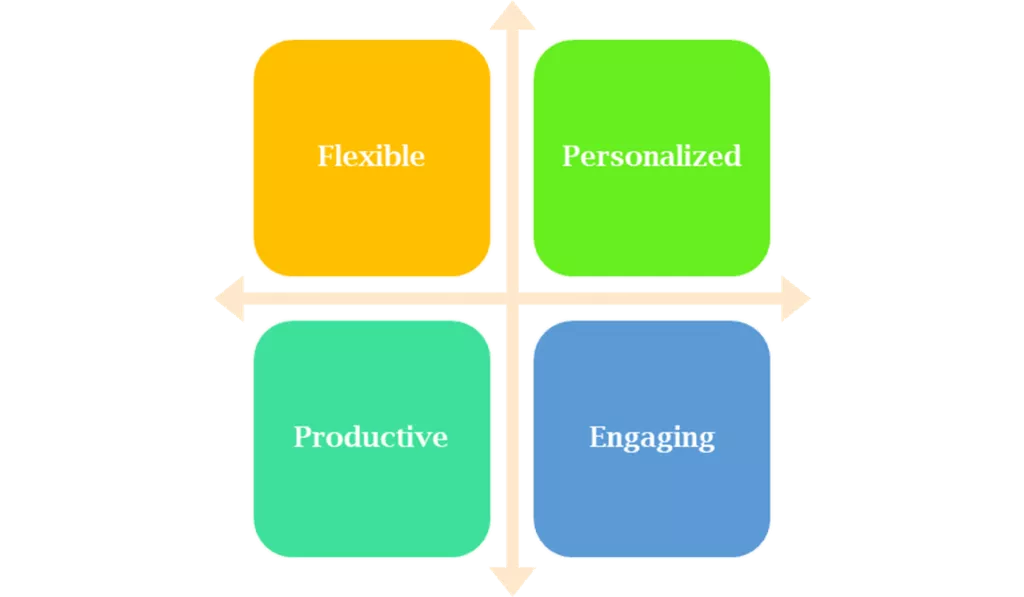
Key Benefits of Blended Learning
Time-Saving
Technology improves learning and free up time as well. Students can use this free time for learning new skills. Besides, a blended curriculum also makes things easier for teachers, as they can save loads of time spent on assessments and creating handwritten material.
Fosters Digital Literacy Skills
Another impeccable advantage of a blended curriculum is that it hones digital skills with opportunities to use tech. Students learn to use virtual tools and resolve basic glitches as they become frequent users of devices (technology).
Prepares Students for the Real World
Skills like communication, collaboration, teamwork, adaptability, etc. are a must in today’s world. Blended teaching and learning develop these skills in students to create a well-rounded learning experience.
Expands Learning Opportunities
Choosing a blended curriculum allows students the flexibility to learn outside the vicinity of traditional classrooms. They can connect to an ongoing class virtually. And eliminate the chances of missing classes with the innovative setting of a blended classroom.
Now let’s take a look at the possible challenges of blended teaching and learning.
What are the Common Challenges in Blended Learning? (Indian Context)
Digital Divide and Tech Readiness
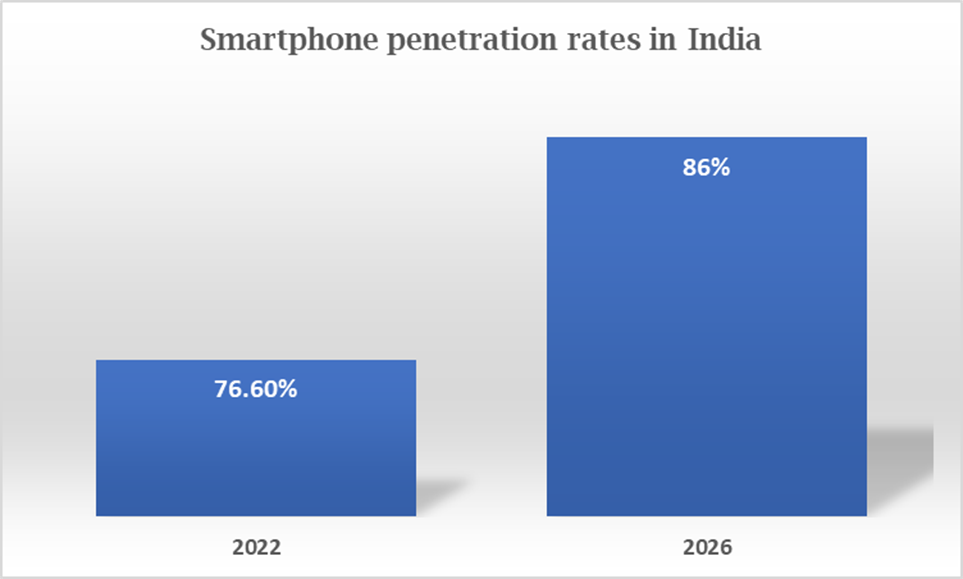
In India, we have come a long way with the use of technology and smartphone penetration rates. However, accessibility still remains an issue with a large part of our overall population.
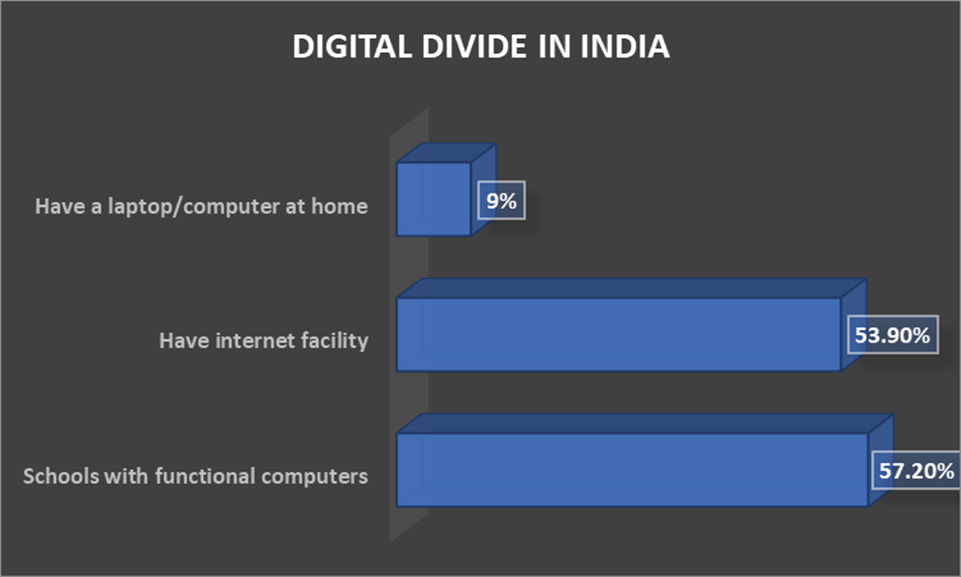
The figures below (as per the UDISE+ 2023-24 and ASER 2023 report) will explain this point in detail:
- Only 57.2% of schools have functional computers.
- 53.9% of schools have internet facilities.
- Only 9% of children in rural India have a laptop/computer at home.
<Smartphone penetration rates are estimated to touch a mark of 86% by the year 2026. This number was only 76.6% in 2022.>
Use of Technology
Choosing the right tools, using these, and learning the right ways to be virtual citizens are some other challenges associated with blended classroom learning.
With a range of technologies available, it can be difficult for many stakeholders to choose the most appropriate and easy-to-use tools. If gone wrong, things can get complicated for students and stakeholders. Eventually, such choices also bring down the overall participation rates of blended learning.
Other Challenges
Teacher training (and professional development), infrastructure, connectivity, and digital skillsets of stakeholders, etc. are some more barriers to blended teaching and learning.
Once we know what is blended learning and its possible challenges, the next step is to delve into solutions.
We’ll help you with this too.
Read on.
Making Things Possible with Blended Learning (For Stakeholders)
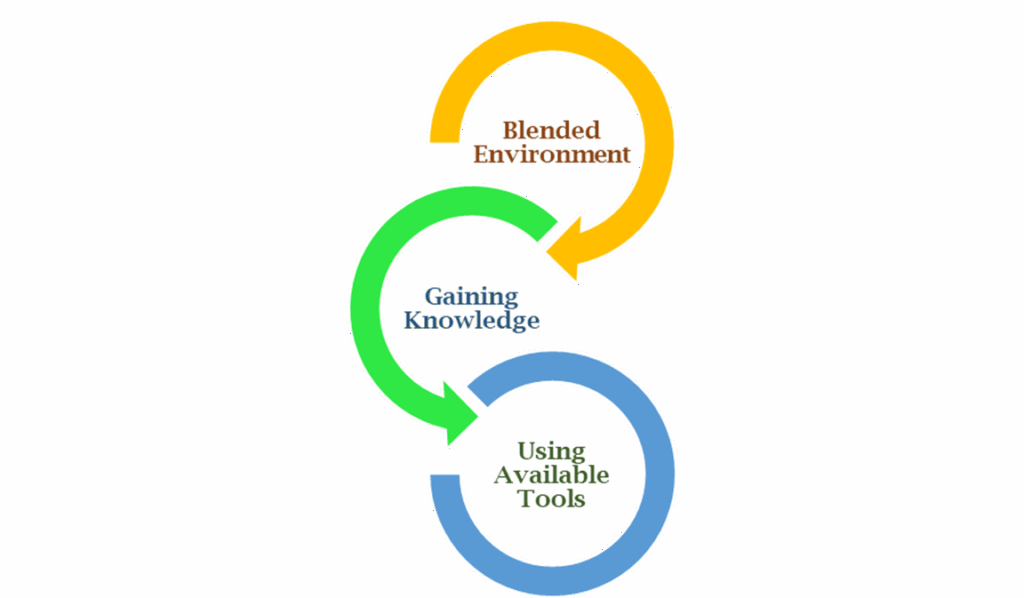
Understanding the blended environment- To make the most of a blended curriculum, you must have strong tech support, possibly through a dedicated team. If not, gaining more knowledge and using different interactive platforms also helps during blended teaching and learning.
Have special sessions to explain the tools- Familiarizing students through sessions (like induction sessions) with an introduction to the platform, tools, schedule (online and offline classes) improves the user’s experience (and handling of glitches). Do not forget to reiterate the channels to connect with the support teams before the session ends.
Align individual goals with the vision of the policymakers- India’s recent education policy and the progressive vision to embrace innovative teaching models have made way for many ground-level reforms. Utilize platforms like DIKSHA, e-Pathshala, PM eVidya, SWAYAM, etc. to access training resources and digital content. This will help you plan approaches and navigate through the blended classroom well.
Focus on instilling discipline- With clearly laid schedules and close monitoring, blended learning approaches are more productive. Get these basics right to guarantee the success of blended teaching and learning.
Use strong reinforcement techniques- With a blend of online and offline studies, motivation becomes a game changer. Help the student stay motivated with rewards, appreciation, etc. to meet deadlines. And support with learning goals to keep the momentum going.
The Bottom Line
Blended classroom learning is a comfortable way to teach and learn. But again, without good planning, it can be difficult to engage students and get the desired results.
Create a culture of blended learning keeping students at the heart of teaching and learning processes. And for more assistance, do not hesitate to look for expert handholding (across similar and relevant industries) to find your solutions.
Thanks for Reading!
Frequently Asked Questions
- What is blended learning?
A blended learning environment is a mix of online and offline learning options. This expands choices to learn for avid students across different life circumstances. - What are the benefits of a blended classroom?
Students can learn at their own pace and still connect with teachers through real-time interactions.
Suggested Read
- How to Increase Memory Power: 10 Practical Tips for Students
- Personal Grooming for Students: Benefits, Ways to Teach, Tips and More
- How to Become Topper: 10 Easy Yet Practical Strategies
- Practical Strategies and Effective Steps to Overcome Laziness
- 10 Captivating Games for English Learners
- Profound Benefits of Drawing in Education and Tips to Develop this Skill in Students
- Gaming In Education: A Useful Tool In The 21st Century?
- 10 Life Skills for Students: Building Leaders of Tomorrow
- Educational Robotics: A Stride Forward In Online Education
- Exam Motivation: Ace Your Exams And Achieve Your Academic Goals!
- Time Management Tips For Students
